Why Electricity Prices Are Rising in 2026
Independent editorial research · Sources and update dates shown on page
✓ Verified by RenterSolar Editorial
⚡ Quick Answer
Electricity prices have risen 36% since 2020 and are forecast to increase another 4.2% in 2026, turning a $120/month bill into $164/month with no relief in sight. RenterSolar shows renters how to fight back with portable solar ($200–$2,000), community solar (10–20% bill savings), and time-of-use optimization — the only tools renters have against a monopoly they can't negotiate with.
Your electric bill went up 36% in five years. It's happening again in 2026 with another 4.2% increase forecast. This isn't a coincidence, and nobody's coming to fix it. Here's exactly why—and what renters can actually do about it.
What's inside:
How Staggering Are the 2026 Electricity Price Increases?
Let's start with the hard facts:
- Since 2020: Residential electricity prices up 36% (EIA Electric Power Monthly)
- 2026 forecast: Another 4.2% increase (EIA Short-Term Energy Outlook)
- Wholesale costs: $38/MWh (2024) → $47 (2025) → $51 (2026)
- Inflation comparison: Electricity rising 2.5x faster than general inflation
- Low-income families: Already spend 15%+ of their income on energy (DOE Low-Income Energy Data)
How much your electricity bill has risen since 2020. And experts say there's no relief in sight.
For a renter paying $120/month in 2020, that's now $164/month in 2026. If rates keep rising at 4.2% per year, you'll pay $1,500+ more per year by 2030 than you would have with 2020 rates.
And here's the kicker: you can't negotiate. Your landlord controls the rent. The utility controls the rate. You control neither.
Why Are Electricity Rates Rising in 2026?
Three major forces are driving your bill up:
1. Data Centers Are Eating the Grid
AI, cloud computing, and cryptocurrency mining are creating an electricity demand shock that grid planners didn't see coming. Here's the scale:
- National electricity demand growth: 2.6% in 2026
- Texas electricity demand: 9.2% in 2026 (3.5x the national rate)
- Why Texas? Major data centers built in Austin, Dallas, and Houston to be near tech hubs and cheap land
- Texas's share of new US demand: 66% of all new electricity the country needs in 2026
Data centers operate 24/7. They never sleep. A single large facility can use as much electricity as 25,000 homes.
The problem: It takes 5-10 years to build a power plant. Demand is rising in months. When supply can't keep up, prices explode.
2. Natural Gas Prices Are Rising
80% of US electricity comes from natural gas and coal. When gas prices go up, so does your electric bill.
- Natural gas prices have risen steadily through 2025-2026
- Geopolitical volatility (Middle East, Russia) affects global gas markets
- Cold winters increase heating demand and heating-grade gas prices
- The trend: Every $1/MMBtu increase in gas prices adds $5-8 to the average annual electric bill
The problem: You can't control this. It's baked into the wholesale markets that utilities pay into.
3. Grid Infrastructure Needs Upgrades (But It's Slow)
The electrical grid is 50+ years old in many areas. Building new transmission lines, transformers, and substations is expensive and slow.
- Grid modernization costs are passed directly to consumers
- Extreme weather (winter blackouts, summer heat waves) forces emergency spending
- Renewable integration requires new wiring and storage infrastructure
What Can Renters Actually Do About Rising Electricity Prices?
The bad news: You can't stop electricity prices from rising. The utilities, the grid operators, and the markets are all bigger than you.
The good news: You can stop paying those rising rates for at least part of your electricity.
Option 1: Plug-In Solar (The Freedom Play)
A $400 balcony solar kit generates 400-800 watts of power on sunny days. If you get 4 peak sun hours per day, that's 1.6-3.2 kWh per day, or about 50-100 kWh per month.
- Monthly savings: $6-15 per month (at 15¢/kWh)
- Yearly savings: $72-180
- Payback period: 2-5 years
- Best part: It moves when you move. No landlord permission needed in 23+ states (and growing).
As electricity rates rise, your solar savings go up too. In 5 years when rates hit 4.7%+ above today, you're saving $12-20/month, not $6-15.
Option 2: Community Solar
If you can't install on your balcony, subscribe to a community solar farm and get utility bill credits (5-15% savings) with zero hardware.
- Works in 40+ states
- No upfront cost in most programs
- Savings scale with rising rates
Option 3: Kill Load (The Obvious Play)
Use less electricity. It won't save you from rising rates, but it shrinks the bill itself:
- Unplug phantom loads (chargers, streaming boxes)
- Switch to LED bulbs (90% cheaper than incandescent)
- Use a fan instead of AC when possible
- Shift laundry/dishwasher to off-peak hours (utilities charge less late night)
What Is the One Thing Nobody Tells Renters About Electricity Costs?
Electricity rates are going up whether you like it or not. But your solar savings go up with the rates.
If you install a $400 kit today and save $100/year, that kit saves $105/year in 2027, $110 in 2028, $115 in 2029, and so on. Your savings accelerate as rates rise. The utility pays you more per kWh without you doing anything.
That's the only play renters have—and it's a good one.
Ready to fight back?
Plug-in solar just became legal in 23+ states. Check if your state protects your right to install, then find a kit that works for your space.
Start Here →What Is the Bottom Line on Rising Electricity Prices for Renters?
Electricity prices across the United States rose 6–12% in 2025 and are projected to increase another 5–10% in 2026, hitting renters hardest because they cannot negotiate rates, switch providers in most states, or install efficiency upgrades on buildings they do not own. The average renter now pays $150–$200 per month in electricity — up from $120–$160 just three years ago. Portable solar kits and community solar subscriptions are the two fastest ways renters can reduce exposure to rising rates. A 400W solar setup offsets $20–$50 monthly, and community solar credits save another 5–15% automatically.
- Data centers are using 66% of all new electricity demand in Texas
- Natural gas prices are volatile and rising
- The grid needs upgrades that utilities pass to consumers
None of these problems have easy fixes. None will go away. Experts say "the cake is baked"—there's no relief coming.
But plug-in solar gives renters one bill they can actually control. It's the only move that makes sense anymore.
Ready to take the first step?
These are the kits renters actually buy. Portable, removable, no landlord needed.
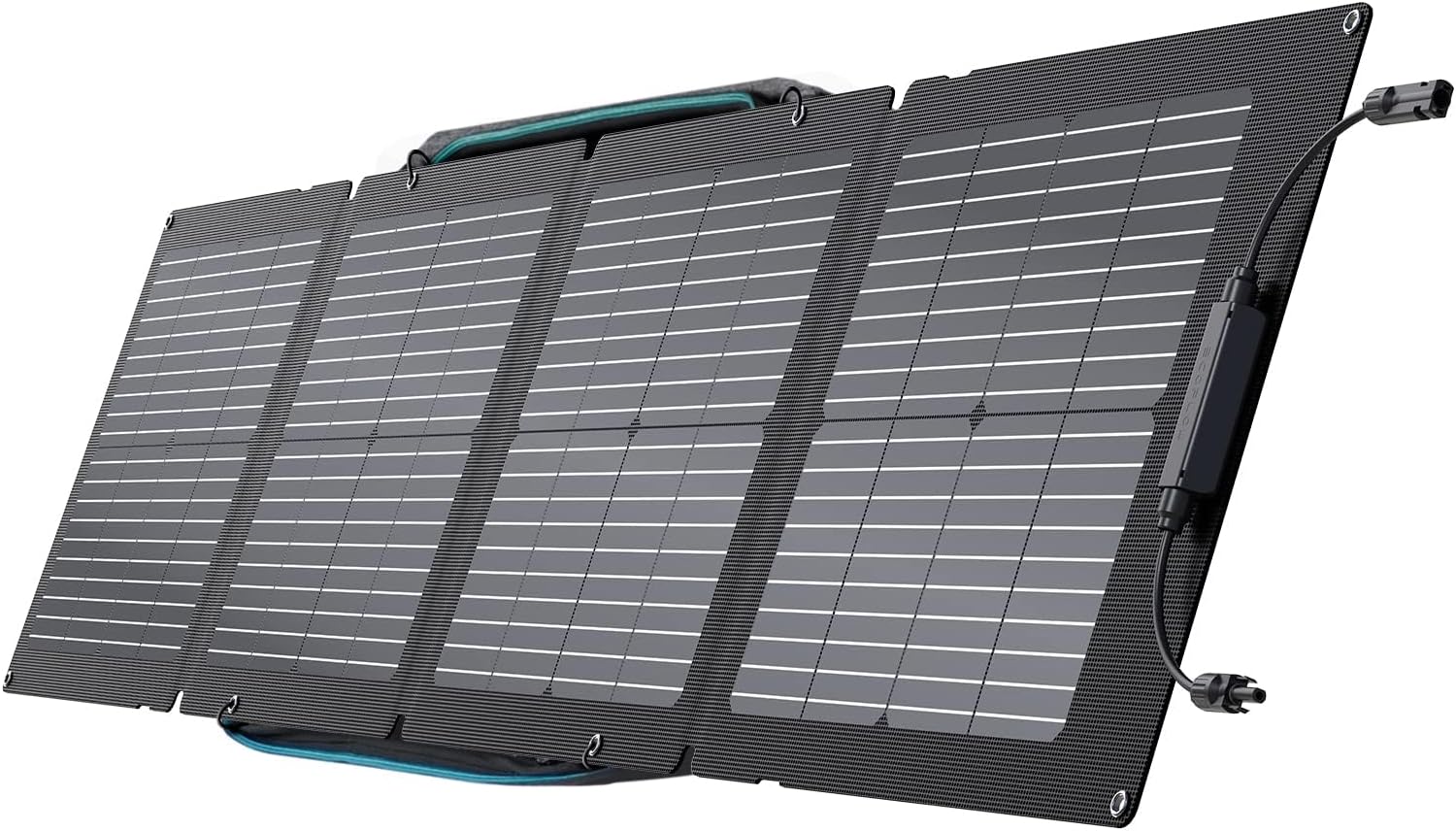
EcoFlow 110W Panel
Foldable, 23% efficiency, IP68. Saves ~$10-18/mo. Great starting point.
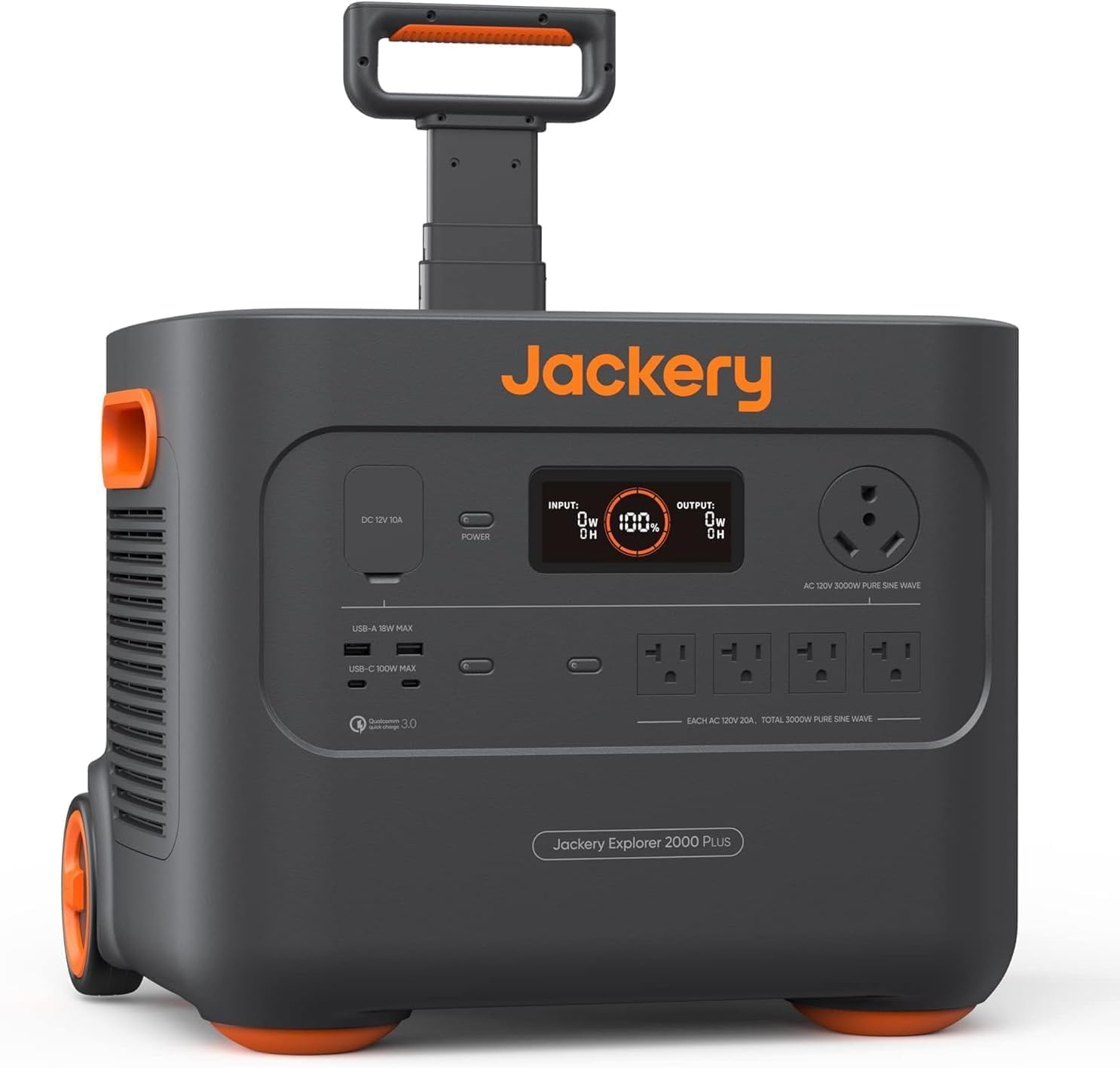
Jackery Explorer 2000 Plus
2042Wh LiFePO4, 3000W. Battery + panel. Saves ~$40-60/mo.
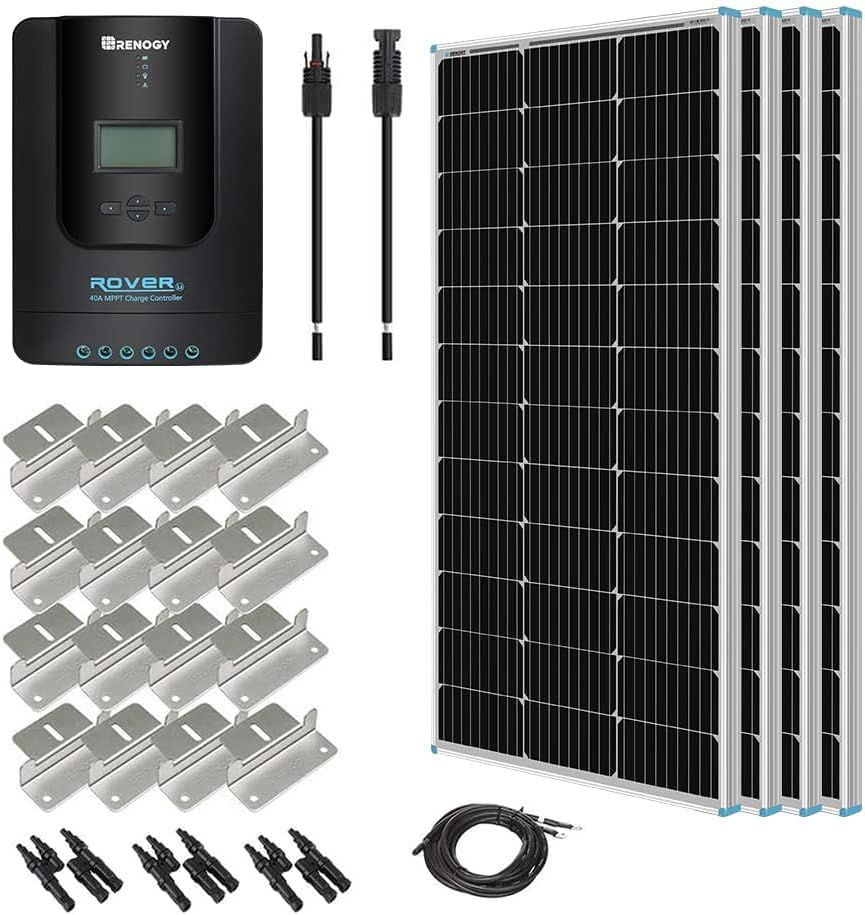
Renogy 400W Starter Kit
4x100W panels + MPPT controller. Most power per dollar. Saves ~$30-50/mo.
Affiliate links support free content. You pay the same price. Full disclosure