See Why Your Bill Keeps Rising
Data centers, natural gas spikes, and grid strain are pushing rates up 4.2% in 2026 alone. We break down exactly why - and what renters can do about it.
Start with: Why Electricity Prices Are Rising in 2026
California has signed a new plug-in solar law. Understand the timeline, check your setup, and compare practical solar options for your rental.
Renters have more solar options than rooftop ownership: portable panels and batteries, community solar, and—in some locations—approved grid-connected systems. The right choice depends on your lease, utility, local rules, sunlight, and budget.
Data centers, natural gas spikes, and grid strain are pushing rates up 4.2% in 2026 alone. We break down exactly why - and what renters can do about it.
Start with: Why Electricity Prices Are Rising in 2026
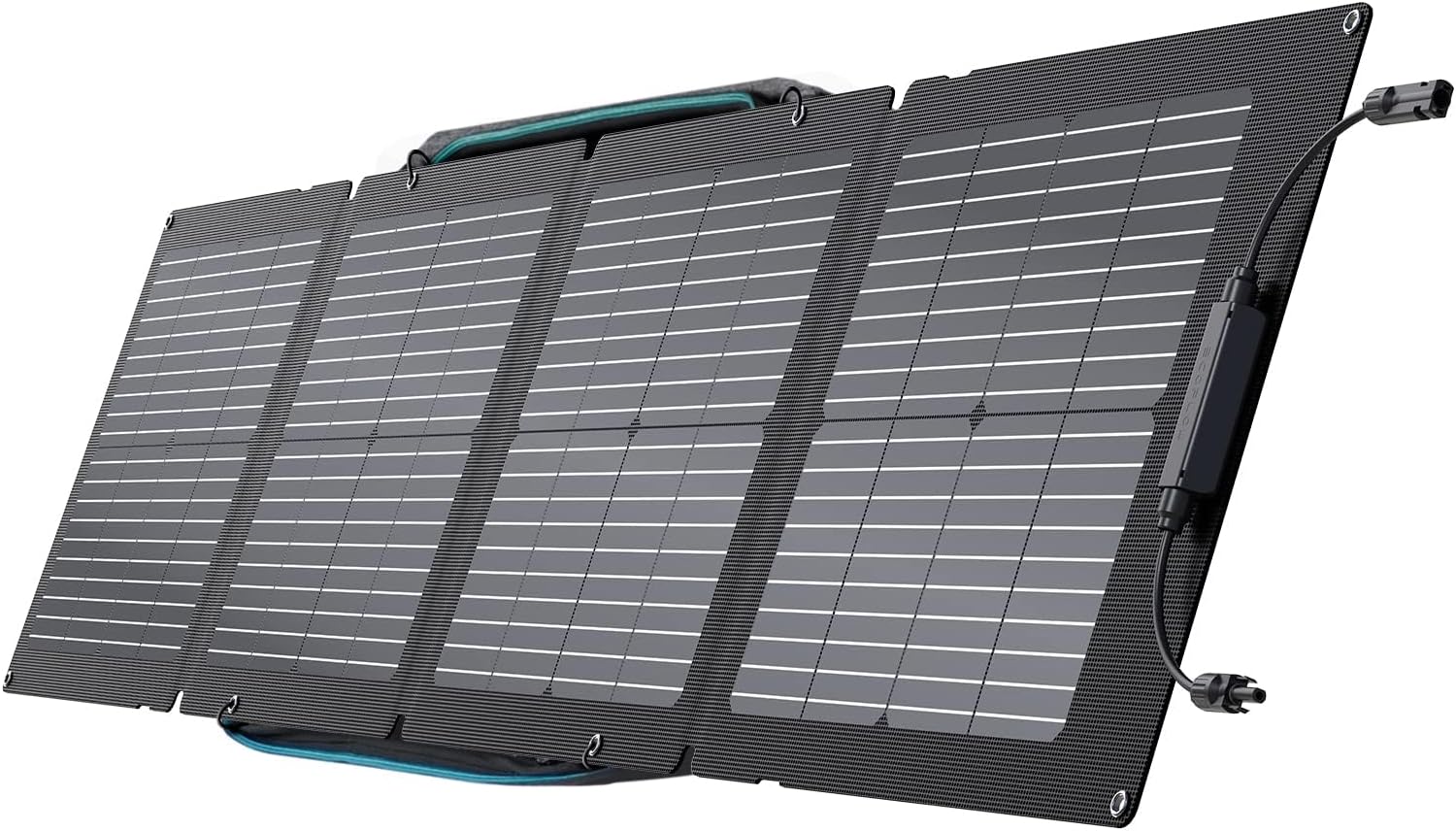
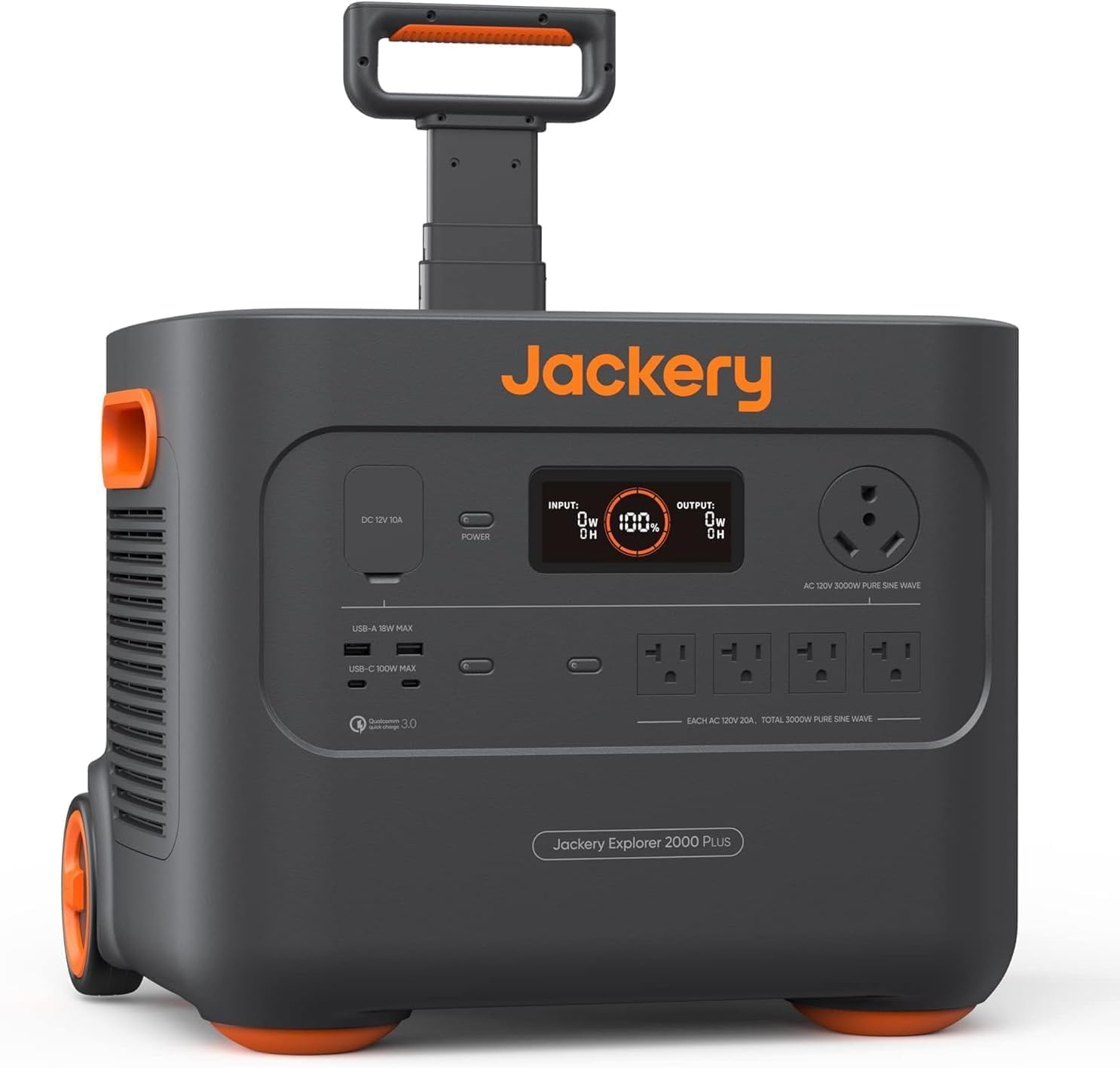
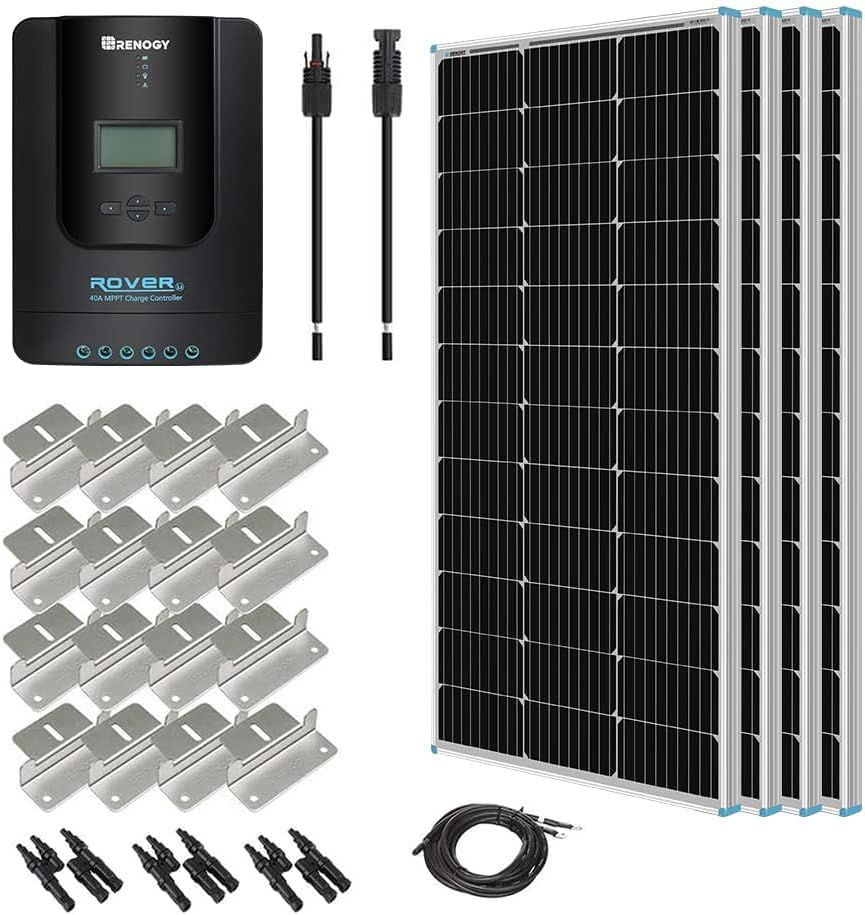
Compare portable panels and power stations separately from grid-connected plug-in systems. Component listings alone do not establish that a complete system qualifies under California law.
Start with: Best Renter Solar Kits 2026
Plug-in and balcony-solar rules are changing, but proposals and enacted laws are not the same. Check the current state guide, utility requirements, electrical code, and your lease before connecting equipment.
Start with: 50-State Law Tracker
Removable and portable, with appropriately listed electrical components. These are the kits that can move when you move; lease and local electrical rules still apply.
Your electricity rate, usable sunlight, and total installed cost matter more than slogans. RenterSolar's tools help estimate the range, while your utility tariff and equipment documentation provide the final inputs.
¢/kWh
Use the current electricity rate printed on your bill—not a national average—to estimate the value of each kilowatt-hour your system offsets.
Sun hours
Balcony direction, shade, season, and panel angle determine real production. Nameplate wattage alone cannot predict savings.
Total cost
Include panels, battery, inverter, mounts, cables, shipping, and any required electrical work before calculating payback.
We focus on renters: permission, portability, realistic costs and the difference between portable charging and grid-connected solar. Start with the California law checklist before shopping.
Every country has different rules. We've mapped what's legal, what kits work, and what renters can actually save in your region.
These guides explain changing electricity costs, federal tax-credit rules, and renter-focused solar options. Check each page's source links and update date before making a purchase or electrical decision.
Data-center demand, fuel costs, grid investment, and regional factors all affect electricity prices. This guide explains the drivers and practical renter options.
Read now →The OBBBA killed Section 25D in 2025. Most websites still show "30% through 2032." We explain what actually changed and which savings paths still work for renters.
Learn what changed →Rules vary by utility, electrical code, equipment type, lease, and location. Use the state tracker as a starting point and confirm current requirements locally.
Check your state →Use RenterSolar's six interactive tools to narrow your options before buying. Results are estimates, not electrical, legal, or financial advice; verify utility rules and product specifications before acting.
Estimate monthly savings and payback using your bill, location, and proposed system size.
Estimate savings →Find the relevant state guide, then confirm the result with your lease, utility, and local authority.
Check your state →Estimate production from balcony direction, shading, panel wattage, and local solar conditions.
Estimate production →Match apartment space, budget, portability needs, and power goals to a starting setup.
Find a setup →Compare system cost with estimated annual savings to understand a possible break-even range.
Calculate payback →Explore subscription-based solar when a balcony or portable system is not practical.
Explore community solar →Short, visible answers for users and crawlers, backed by matching FAQPage schema.
Renters can use fully portable solar equipment that does not alter or connect to building wiring, subject to lease and safety rules. Grid-connected or plug-in systems require separate verification with the utility, local electrical authority, equipment instructions, and landlord where applicable.
A plug-in solar system sends panel electricity into a building circuit through approved interconnection equipment. It is not the same as an off-grid panel charging a portable battery. Legality and required approvals vary by utility, electrical code, equipment listing, lease, and location.
Savings depend on electricity price, sunlight, shading, usable panel area, equipment efficiency, and whether the system offsets consumption or exports power. Use the savings calculator for an estimate, then verify its assumptions against your utility bill and current tariff.
No single state list guarantees that a renter may connect a solar system. State law, local electrical code, utility interconnection rules, equipment certification, building policy, and the lease can all apply. Start with the state guide and confirm with the relevant authorities.
The federal residential solar tax credit (Section 25D) expired at the end of 2025 after the One Big Beautiful Bill Act was signed into law. It is no longer available. Renters can still save through state rebates, community solar subscriptions, and the direct electricity savings from portable solar systems.
Community solar lets renters subscribe to a local solar farm, receive utility bill credits, and save about 5% to 15% in 40+ states without paying for rooftop equipment.
Get renter solar guides, equipment considerations and policy updates. Free to subscribe; unsubscribe anytime.
Subscribe to RenterSolar →Unsubscribe anytime. We respect your freedom.
Check your state, compare renter-safe gear, and use the blog guides to turn interest into a cheaper electric bill.