Core idea: renter incentives usually come through bill credits, subscription discounts, qualifying portable equipment, or state-level programs that reduce the cost of participation even when the renter does not own the roof.
Why Are Solar Incentive Resources So Confusing for Renters?
Most incentive pages collapse every solar buyer into one category. They talk about tax credits, net metering, and installation rebates as if everyone owns a home. Renters rarely do. The result is content that ranks for “solar incentives” but fails to answer the question a renter is actually asking: what incentives can I use if I do not own the building?
The answer depends on the path the renter chooses. A renter joining community solar may not need any hardware incentive at all because the discount is baked into the subscription economics. A renter buying a plug-and-play system may care more about local rebate structures, utility policy, and high-rate markets than about federal rooftop language. A renter with poor sun may care only about bill credits and shared-solar enrollment. Each path has different incentives, so the first job of this article is to separate them clearly.
That separation matters for search intent and for trust. If a renter lands here after searching “federal solar tax credit renters,” the page should explain the limitation honestly and then immediately show the alternatives that still create value. That keeps the user moving instead of bouncing.
What Happened to the Federal Solar Tax Credit for Renters?
The federal residential solar tax credit (Section 25D) expired at the end of 2025 after the One Big Beautiful Bill Act was signed into law. It is no longer available for residential solar installations — for renters or homeowners. This simplifies the question for renters: the federal credit was never easily accessible to most renters anyway, and now it is gone for everyone.
This does not mean the federal conversation is irrelevant historically. It shaped the solar market, brought down prices, and created the ecosystem that makes portable and community solar viable today. But for 2026 and beyond, renters should not factor a federal credit into their solar math. The practical guidance is simple: focus on what is still available — state programs, community solar subscriptions, and the direct savings from reducing your electricity bill.
Instead, think in layers. Federal context influences the market, but state and utility mechanisms often determine whether renter solar feels accessible. That is why the site architecture points from this article into state incentive pages rather than pretending there is a single national answer.
Why Is Community Solar Often the Strongest Incentive Path for Renters?
For many renters, community solar is the most usable incentive available. It creates direct bill savings without requiring a roof, a balcony, a landlord conversation, or hardware ownership. That combination makes it unusually powerful for renters because it solves both the legal and physical barriers at once. The incentive is not always a flashy rebate check. Often it is a recurring discount on electricity produced by a local shared array.
That recurring discount matters because renters value low friction. A homeowner may tolerate a large upfront project to unlock long-term returns. Renters often need savings that begin quickly and travel better across life changes. Community solar does that. It can also coexist with portable hardware. A renter can subscribe for baseline savings and still use a small panel-plus-battery setup at home for resilience or direct daytime offset.
If your apartment has poor sun exposure or your building is strict about exterior equipment, community solar should be one of the first options you evaluate. It is frequently the highest-confidence path to savings.
How Much Do State and Utility Incentives Matter for Renters?
Renters sometimes write off state incentive pages because they sound like homeowner territory. That is a mistake. State-level policy affects utility bill credits, community solar access, rebate design, and the overall economics of small-scale solar participation. The DSIRE database tracks every state incentive in real time. Even when a renter is not directly claiming a cash rebate, state policy shapes what programs exist and how attractive they are.
Utility rate design matters too. A renter in a high-rate state may justify portable hardware much more easily than a renter in a low-rate state. Time-of-use pricing can make even a modest system attractive if it displaces expensive midday or early evening power. That is why the renter savings story is often less about a single incentive and more about the full economic environment.
What Solar Incentives Are Available by State for Renters?
| State | Why It Matters for Renters | Internal Link |
|---|---|---|
| California | High rates make portable and shared solar savings more meaningful | California incentives |
| New York | Strong relevance for community solar and bill-credit pathways | New York incentives |
| New Jersey | High-intent solar market with strong renter interest | New Jersey incentives |
| Colorado | Distributed energy context creates strong renter opportunity | Colorado incentives |
| Massachusetts | High utility costs improve the renter solar case | Massachusetts incentives |
| Arizona | Strong sunlight can make small systems perform well | Arizona incentives |
| Illinois | Worth watching for policy-driven shared solar relevance | Illinois incentives |
What Portable Solar Equipment Incentives Are Available for Renters?
Portable solar systems occupy a useful middle ground. They are not classic rooftop installations, but they can still benefit from economic conditions created by rebates, sales patterns, promotional utility programs, and the simple fact that high-rate states shorten payback. For renters, this means the “incentive” is often not a line item on a government website. It is the combination of favorable rate structures, portable ownership, and the ability to keep using the hardware after moving.
This is why renters should read incentive content together with product content. A portable kit that looks marginal in one state can look reasonable in another. The product article at Best Plug-and-Play Solar Kits helps with the hardware side, while this article shows where the economics become more favorable.
How Should Renters Compare Solar Incentives vs Hardware Ownership?
A renter choosing between community solar and a portable system should ask three questions. First, how good is the sunlight at the apartment? Second, how likely is a move in the next two years? Third, how valuable is outage resilience? If sunlight is poor and moving is likely, community solar often wins. If sunlight is strong and the renter wants backup power in addition to bill savings, portable equipment becomes more compelling.
The other factor is cognitive load. Some renters do not want hardware. They want a lower bill and no extra setup. For them, the best incentive is the one that requires the fewest decisions. Community solar often wins that comparison. Other renters enjoy controlling hardware, monitoring production, and building a portable energy system they can keep through multiple apartments. For them, ownership has strategic value even if the pure bill discount is similar.
What Role Do Net Metering and Bill Credits Play for Renters?
Renters may not own a traditional rooftop array, but net metering and bill-credit policy still affect them. Those policies influence the value of shared generation, the attractiveness of community solar programs, and the way utilities think about distributed energy. In some markets, the details of bill credits matter more than direct rebates because that is where the recurring savings show up.
That means renters should not ignore policy pages that sound technical. A state’s treatment of distributed generation can change the economics of subscriptions and small systems alike. Even if the renter never sees the words “net metering” on a sign-up page, the policy behind it may be one of the reasons the program is attractive.
Where Should Renters Start Looking for Solar Incentives by State?
If you are in California, start with the California incentive page because high rates change the savings math quickly. In New York, the New York page is a strong first click because community solar and bill credits matter so much. In Colorado and New Jersey, start with the state pages and then compare that context against the legality guide at Can Renters Install Solar Panels?
For Texas, Florida, and Arizona, the economics can still be interesting, but the optimal renter strategy may vary more by exact apartment and utility. That is why state pages and product guides need to work together. A renter in Phoenix may get more value from a compact balcony setup than a renter in a shaded Houston apartment, even if both are interested in the same core query.
What Is the Bottom Line on Solar Incentives for Renters?
Renters can absolutely benefit from solar incentives, but they should stop looking for the homeowner version of the answer. The strongest renter incentives usually come through community solar discounts, utility bill credits, favorable state economics, and hardware that remains useful after a move. The winning strategy is not to chase every incentive. It is to match the right type of incentive to the right renter situation.
If legality is still unclear, read Can Renters Install Solar Panels? If product choice is your blocker, move to Best Plug-and-Play Solar Kits. If you already know your state, go directly into the state incentive directory and follow the local page that fits your market.
About the RenterSolar Team
We track solar laws, incentives, and products across all 50 states specifically for renters. Our data comes from DSireUSA, the U.S. Energy Information Administration, NREL, and direct review of state legislation. We are independent and not affiliated with any solar manufacturer. Learn more about us.
Last verified: March 2026
Frequently asked questions
Can renters get solar incentives? +
Solar incentives for renters exist in most states, but they look fundamentally different from homeowner incentives. The federal residential solar tax credit expired at the end of 2025, eliminating the biggest incentive that never really worked for renters anyway. What remains — and what matters more — are state rebates for portable equipment, community solar bill credits, utility-specific programs, and net metering policies that apply to small systems. At least 15 states offer direct incentives that renters can claim, and community solar programs in 40+ states provide guaranteed bill savings of 5–15% with zero equipment costs.
Does the federal solar tax credit apply to renters? +
The federal residential solar tax credit (Section 25D) expired at the end of 2025 after the One Big Beautiful Bill Act was signed into law. It is no longer available for anyone. Focus on state rebates, community solar programs, and direct electricity savings instead.
What is the easiest solar incentive for renters to use? +
Community solar is often the easiest because it avoids rooftop ownership and hardware setup.
Which states are strongest for renter solar incentives? +
California, New York, New Jersey, Colorado, Massachusetts, Illinois, and Arizona are among the first states to investigate.
Do utility bill credits count as renter solar savings? +
Yes. Bill credits are often the most direct and measurable savings channel for renters.
Should renters buy panels or subscribe to community solar? +
It depends on sunlight access, move horizon, and state programs. Many renters should compare both instead of assuming hardware is required.
Ready to take the first step?
These are the kits renters actually buy. Portable, removable, no landlord needed.
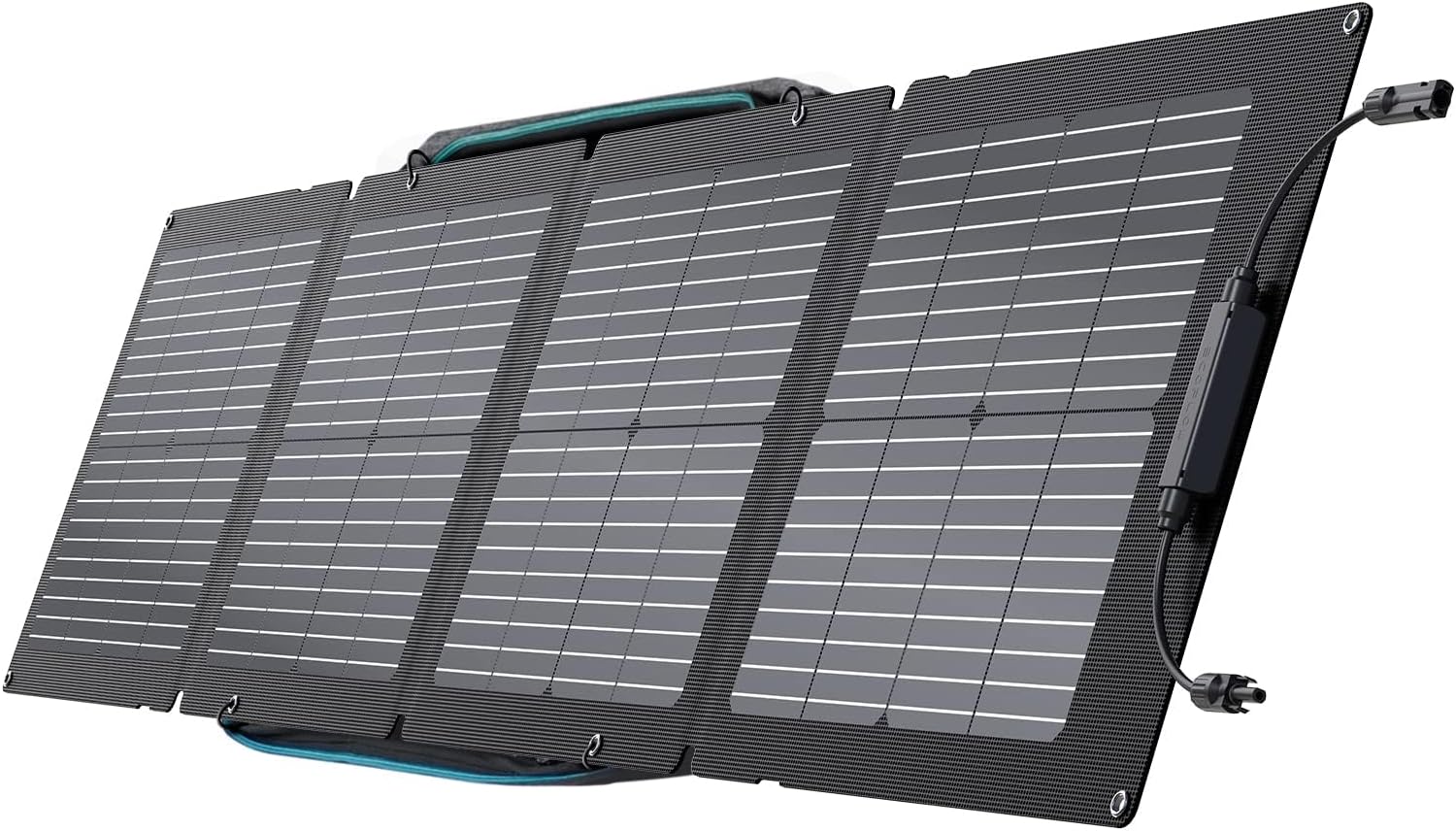
EcoFlow 110W Panel
Foldable, 23% efficiency, IP68. Saves ~$10-18/mo. Great starting point.
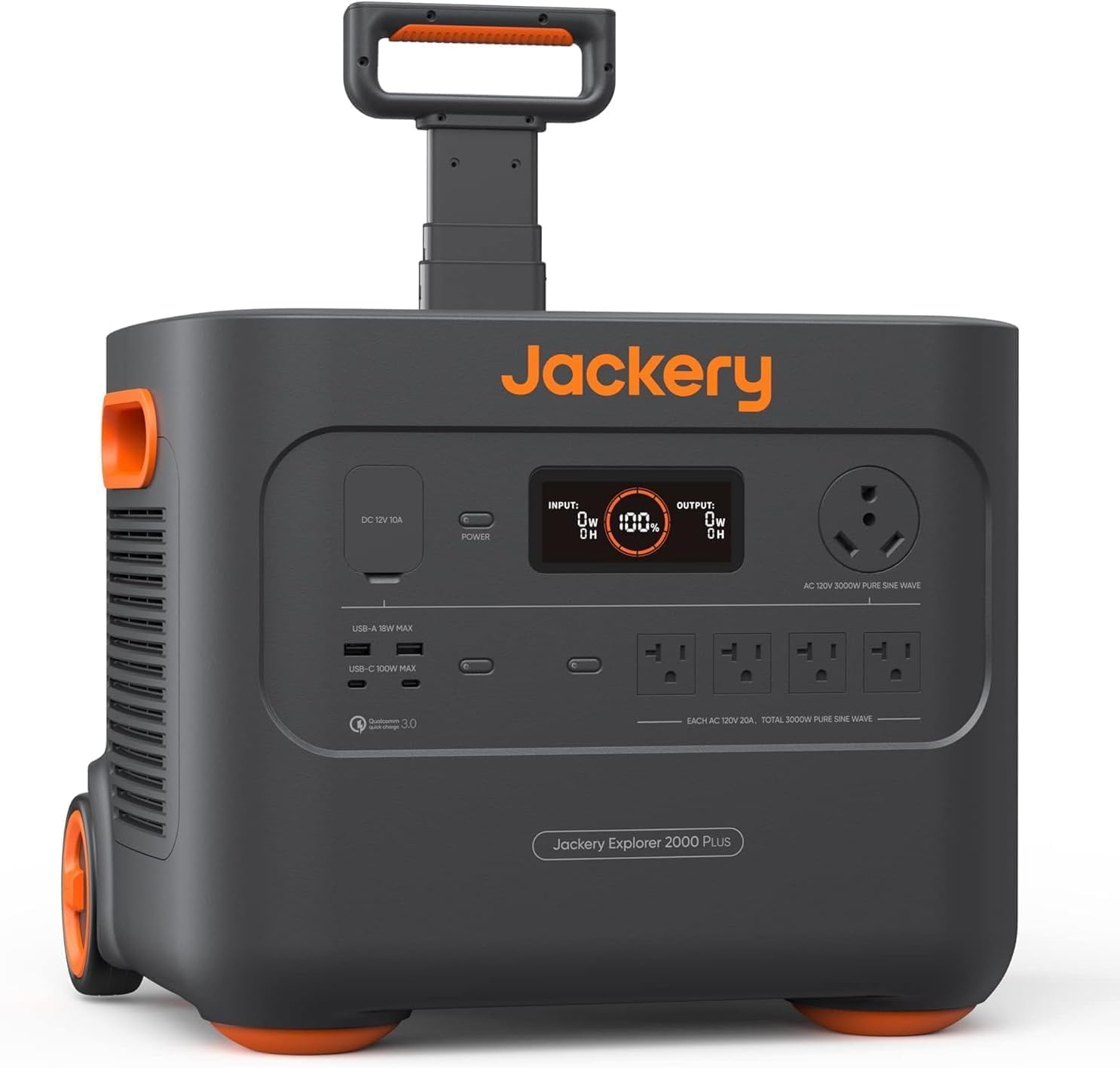
Jackery Explorer 2000 Plus
2042Wh LiFePO4, 3000W. Battery + panel. Saves ~$40-60/mo.
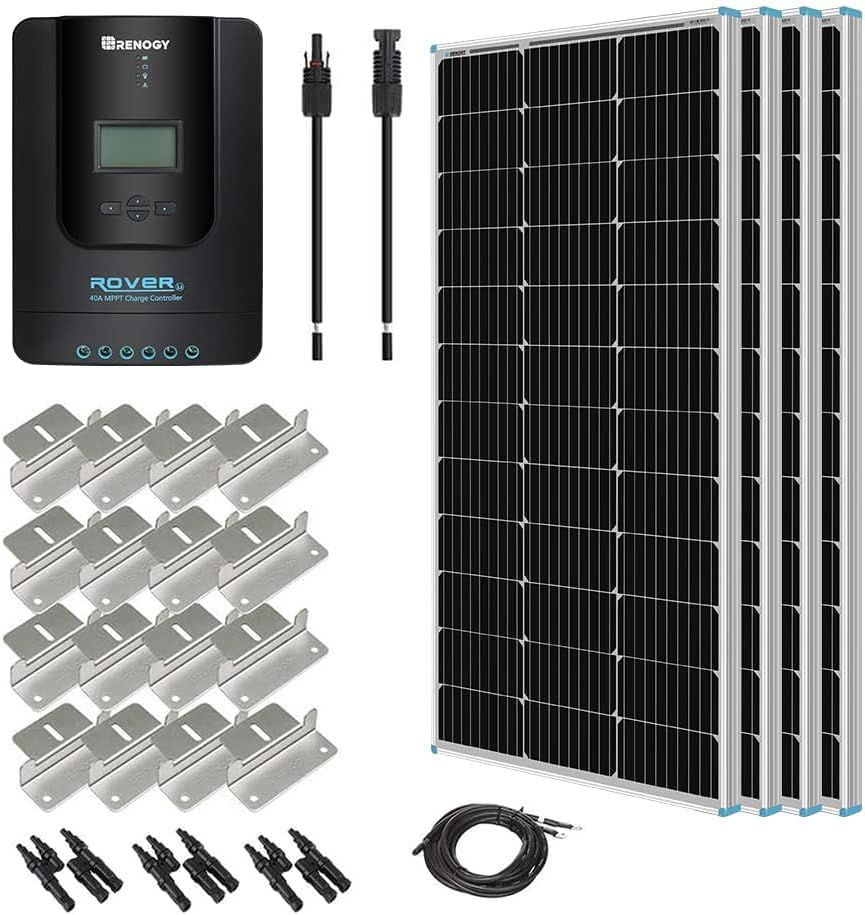
Renogy 400W Starter Kit
4x100W panels + MPPT controller. Most power per dollar. Saves ~$30-50/mo.
Affiliate links support free content. You pay the same price. Full disclosure