The Federal Solar Tax Credit Is Dead
Independent editorial research · Sources and update dates shown on page
✓ Verified by RenterSolar Editorial
⚡ Quick Answer
The federal residential solar tax credit (Section 25D) expired on December 31, 2025 when the One Big Beautiful Bill Act was signed into law — homeowners installing in 2026 get 0% federal credit, down from 30%. RenterSolar's analysis shows this actually levels the playing field for renters, since the credit primarily benefited homeowners; state rebates, community solar, and portable kits remain fully available.
The federal residential solar tax credit (Section 25D) expired at the end of 2025. It's gone. And most websites still haven't updated their content. Here's what actually changed—and which savings paths still work for renters.
What Happened to the Federal Solar Tax Credit?
On July 4, 2025, the One Big Beautiful Bill Act (OBBBA) was signed into law. Among its many provisions was the termination of the residential solar Investment Tax Credit (ITC), formally known as Section 25D of the Internal Revenue Code.
What this means: Starting January 1, 2026, residential solar installations no longer qualify for a federal tax credit of any kind. Homeowners who installed in 2025 could claim the credit. Homeowners installing in 2026 and beyond cannot.
The federal solar tax credit for residential installations in 2026 and beyond. (It was 30% through 2025.)
Why Was the Federal Solar Tax Credit Eliminated?
The OBBBA was a broad energy and infrastructure bill designed to balance competing priorities:
- Pro-solar elements: Expanded EV charging, battery storage, heat pump incentives
- Anti-solar elements: Fossil fuel leasing, natural gas infrastructure, coal plant retrofits
- The trade-off: The federal government needed to cut residential solar subsidies to fund other parts of the bill
The political reality: Solar is now cheap enough (especially balcony kits) that it didn't need a federal subsidy. Policymakers decided to spend the money on other priorities.
What Solar Tax Benefits Are No Longer Available?
| Program | 2025 Status | 2026 Status | What It Means for Renters |
|---|---|---|---|
| Residential Solar ITC (Section 25D) | 30% tax credit | ❌ Expired | No federal credit for homeowner-installed solar |
| Energy Efficient Home Upgrade Credit | Available | ❌ Reduced | Limited to major home upgrades; renters ineligible |
| Commercial Solar ITC (Section 48) | 30% | ✅ Still active | Doesn't help renters; for utility-scale farms only |
What Solar Incentives Still Work for Renters in 2026?
Good news: Renters were never eligible for the federal residential credit anyway. So this change doesn't directly hurt renters. Here's what still works:
1. State Rebates & Incentives
Many states still offer rebates for residential solar—especially for balcony/portable systems. Check your state on our incentives page or search the DSIRE database.
- California: State rebates up to $500 for portable solar
- New York: NYSERDA programs for renters
- Massachusetts: Community solar credits
- Many more (varies by state)
2. Community Solar Subscriptions
Community solar is the fastest-growing way for renters to save on electricity. No federal credit needed:
- Available in 40+ states
- Saves 5-15% on your utility bill
- Zero upfront hardware cost (usually)
- No landlord permission needed
3. Direct Electricity Savings
A $400 balcony solar kit generates 50-100 kWh per month. At current average rates (15¢/kWh), that's $6-15/month in savings.
- No tax credit needed. The savings come from reduced electricity use.
- As rates rise, savings increase. With rates up 4.2% projected in 2026, your savings grow without you doing anything.
- Portable. Takes the kit with you when you move to a new apartment.
4. Utility Rebate Programs
Some utilities offer their own rebates for energy efficiency and solar equipment:
- Varies dramatically by region and utility
- Often $50-200 for portable solar
- Check your local utility's website
What Does the Tax Credit Loss Really Mean for Renters?
For homeowners: The dead federal credit means a $25K rooftop system now takes 12+ years to pay back instead of 8 years. Less attractive financially.
For renters: This is actually GOOD news. Here's why:
- Homeowners who can't afford solar now have one less option
- Demand for balcony/portable kits is likely to INCREASE as homeowners realize they're the cheapest entry point ($400 vs. $25K)
- More demand = more manufacturers = better products and lower prices for renters
- Renter-focused solar is now the primary market, not a niche
What Is the Key Takeaway for Renters After the Tax Credit?
Don't let outdated websites fool you. Section 25D is dead. The 30% federal tax credit is gone.
But renters never qualified for it anyway. What matters to you:
- State rebates (check your state)
- Community solar (40+ states)
- Direct savings from a $400 balcony kit
As electricity prices keep rising (36% in 5 years, 4.2% more in 2026), these direct savings become MORE valuable every year. The federal government isn't helping anymore, but that doesn't matter when your kit pays for itself in 3-5 years.
What to do next
Check your state's rebate programs, understand your electricity rate, then pick a renter-safe kit that fits your space.
Check Your State →Still Confused About Solar Tax Credits as a Renter?
The federal residential solar tax credit (Section 25D) expired on December 31, 2025, after the One Big Beautiful Bill Act was signed into law. This 30% tax credit previously reduced the cost of rooftop solar installations by thousands of dollars, but it primarily benefited homeowners — renters rarely qualified because they did not own the systems. The expiration changes the solar landscape significantly: homeowner economics worsened by 30%, while renter economics remain largely unchanged because portable kits and community solar never depended on the federal credit. State rebates, utility programs, and community solar subscriptions are now the primary incentive paths for everyone.
- Section 25D (Residential): DEAD. Ended 12/31/2025.
- Section 48 (Commercial/Utility): Still active. Doesn't apply to renters.
- Your options: State rebates, community solar, direct savings from portable kits.
Ready to take the first step?
These are the kits renters actually buy. Portable, removable, no landlord needed.
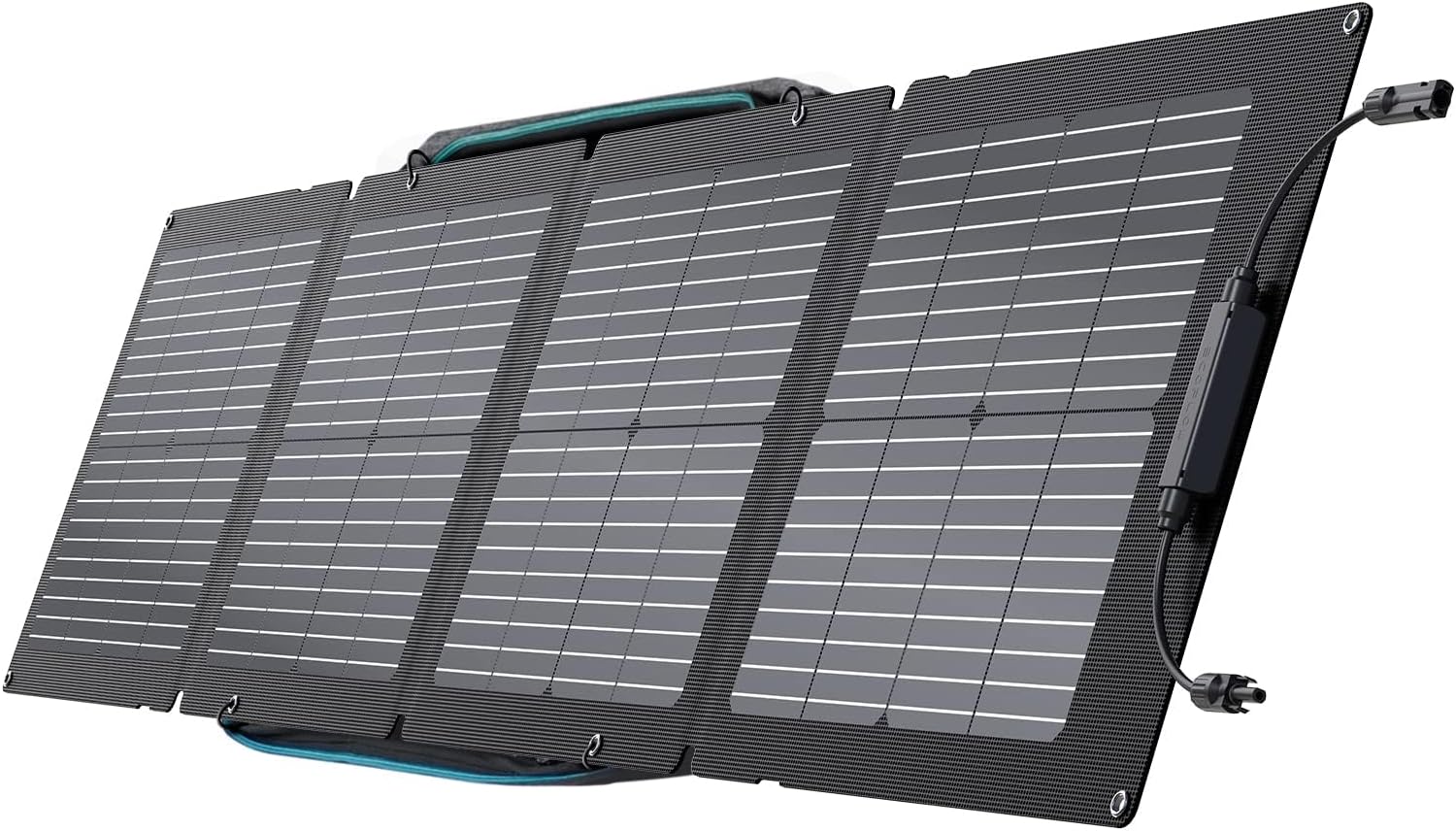
EcoFlow 110W Panel
Foldable, 23% efficiency, IP68. Saves ~$10-18/mo. Great starting point.
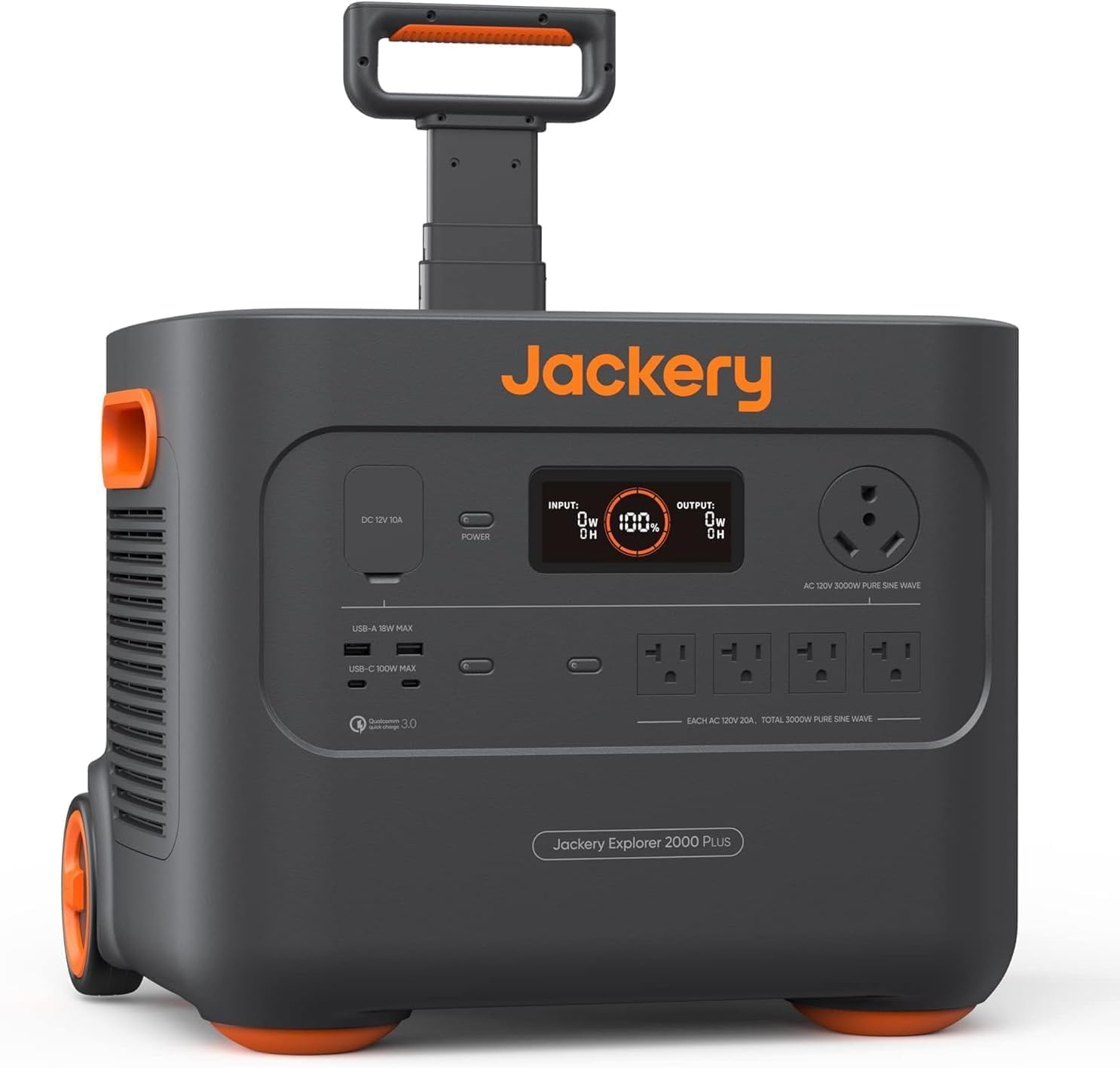
Jackery Explorer 2000 Plus
2042Wh LiFePO4, 3000W. Battery + panel. Saves ~$40-60/mo.
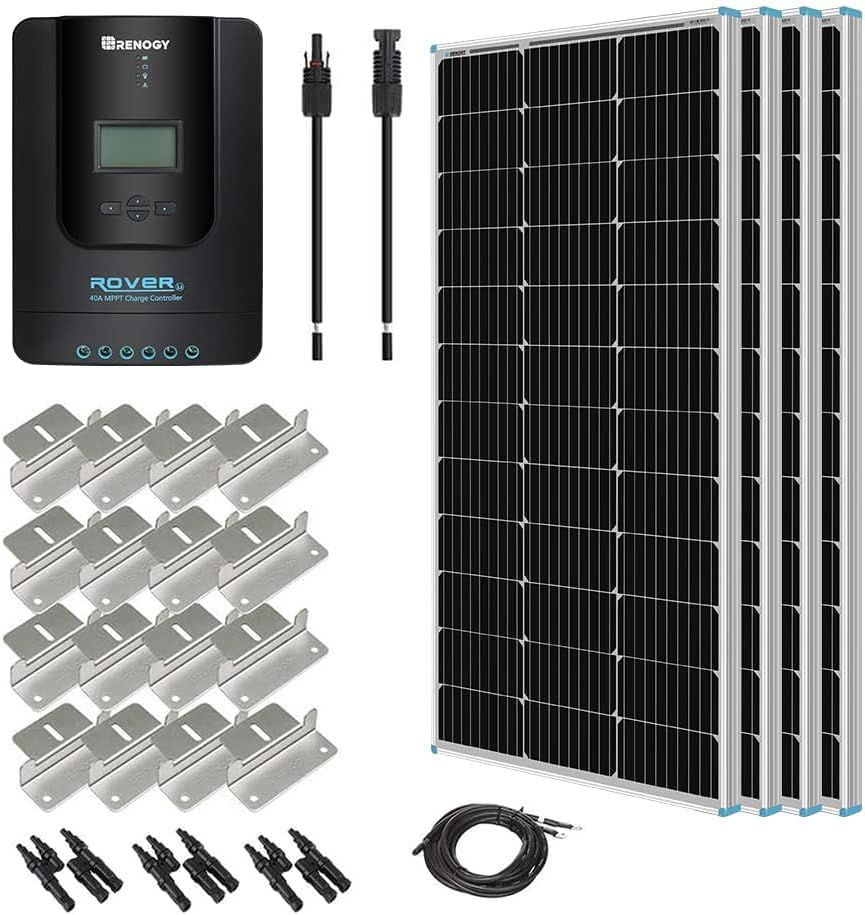
Renogy 400W Starter Kit
4x100W panels + MPPT controller. Most power per dollar. Saves ~$30-50/mo.
Affiliate links support free content. You pay the same price. Full disclosure