⚡ Quick Answer
Community solar lets renters save 10–20% on electricity bills by subscribing to a share of a local solar farm — no panels, no installation, no landlord permission, and no upfront cost. RenterSolar recommends community solar as the easiest entry point for renters who want clean energy savings without buying any equipment.
Affiliate disclosure: Some links on this page are Amazon affiliate links. If you click through and buy something, Amazon pays us a small commission. You pay exactly the same price. not a penny more. The only person who gets a dollar less is Jeff Bezos, and at his net worth, he will survive. We use these commissions to keep this site free, independent, and honest.
Get the Renter Solar Newsletter
Weekly insights on renter solar rights, new products, and real savings stories. Free. No spam. Unsubscribe anytime.
What Solar Option Do Most Renters Not Know About?
Community solar lets renters save 5–15% on electricity bills without buying any equipment, getting landlord permission, or having outdoor space. You subscribe to a share of a local solar farm, and credits appear automatically on your utility bill each month. Enrollment takes under 10 minutes online, and most programs have no upfront cost. Community solar is available in 40+ states and works for any apartment regardless of sun exposure, balcony access, or building restrictions. If you move within the same utility territory, your subscription transfers. It is the lowest-friction path to solar savings for renters who want results without hardware.
Community solar is nothing like that.
Imagine a giant solar farm somewhere in your county. Maybe in a field, maybe on a commercial rooftop. You subscribe to a slice of it. That's it. No installation. No landlord. No equipment.
Every month the farm generates power. Your share gets credited to your electric bill. You pay less. Done.
It's available right now in 40+ states. Most renters don't use it because they've never heard of it. So here's you hearing about it.
What Is Community Solar and How Does It Work?
It goes by different names. solar gardens, community distributed generation, shared solar. But the setup is the same everywhere.
A developer builds a giant solar farm (usually 1-5 megawatts) somewhere with good sun. You subscribe to a slice. The farm generates. The utility measures what your share produced. They credit your bill. You pay less than you'd pay on their default grid power. Developer gets paid. Utility processes the credits. Everyone wins. The U.S. Department of Energy calls community solar one of the most promising paths to equitable solar access.
Except the utilities themselves, who'd prefer you never heard about this in the first place.
Why Is Community Solar Built for Renters?
Rooftop panels need a roof you own. Balcony kits need landlord buy-in and a sunny spot. Even plug-in systems need outdoor space.
Community solar needs none of that. You need:
- An address in the utility's territory
- An electricity account in your name
- 15 minutes to sign up
That's it. No equipment. No installation. No landlord diplomacy. No permits.
And here's the part that surprises most people: when you move, your subscription moves with you. Not the panels. you. Community solar isn't tied to your building. It's tied to you as a customer. Different apartment, same utility area? Update your address. Done.
How Does Signing Up for Community Solar Work Step by Step?
Find a program
Google "community solar [your state name]" or check our solar incentives directory. Most states with programs list them publicly. DSIRE, EnergySage, and Arcadia also have searchable databases. Some programs have waitlists, so look for ones actively accepting subscribers.
Sign up (15 minutes)
Name, address, utility account number. Choose subscription size (usually sized for 50-100% of your use). Read the contract. look for the rates, commitment length, and cancellation policy. Good programs are month-to-month or 1-2 years with easy exits. Avoid programs with multi-year lockups or huge cancellation fees.
The farm generates
That's it. The sun rises, your share generates power. Meters measure. Happens automatically. Your apartment doesn't need to be sunny. the farm's location was picked for that. You get the benefit regardless.
Credits hit your bill
The developer reports generation to the utility. Utility credits your account at the retail rate. Shows up on your bill as a line item. You pay less that month.
You save money every month
5-15% off your electricity bill, typically. On a $150/month bill, that's $90-270/year Zero upfront cost. Zero equipment. Just a lower bill.
Which States Have the Best Community Solar Programs?
40+ states have programs. Here are the stars:
New York
The most developed program in the country. Multiple developers. Low-income options through the Affordable Community Solar program with extra savings for qualifying renters.
Massachusetts
Community solar is central to their clean energy strategy. Easy signup through CompactChoice. Strong low-income provisions built in.
Minnesota
Xcel Energy's Solar*Rewards Community is the gold standard. been running longer than almost anyone and competitors have copied it. Competitive rates.
Colorado
Multiple developers, real competition, real choice. The Colorado Energy Office runs programs specifically for renters too.
Maryland
Designed with renters and low-income households in mind from the ground up. Not an afterthought.
Illinois
The Climate and Equitable Jobs Act carved out dedicated capacity for renters and low-income. Chicago specifically has competitive options driving down prices.
Check our solar incentives directory for current links organized by state.
Should Renters Choose Community Solar or Portable Panels?
Community solar and portable solar aren't mutually exclusive. many renters use both. But they serve different needs, and understanding the trade-offs helps you make the right first move.
| Factor | Community Solar | Portable Solar Kit |
|---|---|---|
| Upfront cost | $0 (subscription only) | $300–$2,000 for equipment |
| Setup time | 10–15 minutes online | Hours to days (first setup) |
| Monthly savings | 5–15% off electricity bill | Varies by usage and sunlight |
| Landlord involvement | None required | May need permission |
| Portability when moving | Stays with you (same utility area) | Physical equipment moves with you |
| Sunny balcony required | No | Yes (or outdoor access) |
| Works during power outage | No | Yes (with battery) |
| Covers all electricity use | Yes (sized to your full usage) | Partial (daytime loads only) |
| Best for | Renters without outdoor space, frequent movers | Renters who want backup power or outage resilience |
If you don't have a balcony or can't get your landlord's agreement, community solar is the clear starting point. If you have outdoor access and want backup power capability, a portable solar kit adds something community solar can't provide: actual electrons flowing in your apartment when the grid goes down. For the equipment options, see our product hub.
How Does Community Solar Give Renters Energy Freedom?
This isn't just about saving money (though you do). It's about saying: I'm choosing solar instead of the utility's default mix of whatever.
Electricity doesn't actually come from "your" farm. it's all mixed on the grid. But the economic signal is real: your subscription money goes to solar development instead of coal plants. The farm exists partly because people like you pay for it. That's impact.
The utilities know this. According to SEIA, they've fought community solar programs, tried to add fees, lobbied against expansion. They understand that every community solar subscriber is a customer making an active choice to move money away from them. That shift matters to them. It should matter to you as evidence this actually works.
What Are the Most Common Myths About Community Solar?
Myth: "It's a scam."
Reality: State utility commissions regulate these programs. the same bodies that regulate your power company. Every credit is verified against actual farm generation. The model is legitimate and has been running for over a decade in some states. Dodgy third-party sales companies exist everywhere, so read the contract. But community solar itself? Legitimate regulated utility program.
Myth: "It costs money to join."
Reality: No enrollment fees. You subscribe, get credits that exceed the subscription cost. You save from month one. Some programs have small admin fees, but if they're asking for large upfront payments, be suspicious.
Myth: "The savings are tiny."
Reality: 5-15% on your bill adds up. $1,500/year at 10% savings = $150/year. Five years = $750. Zero equipment cost. Zero installation hassle. Zero landlord drama. In high-rate states like New York or Mass., it's $200-400/year. That's real money.
Myth: "It's a nightmare if I move."
Reality: Same utility area = address update. Different utility = cancel and find a new program. Most have clean cancellation terms if you pick month-to-month or short contracts. Perfect for renters.
Myth: "My apartment is too small to matter."
Reality: Subscriptions are sized to YOUR actual usage, not your square footage. Studio apartment is just as valid as a house. Programs are designed for small users. You're fine.
What Red Flags Should Renters Watch for in Community Solar Programs?
- Long contracts: If they want 10-20 years from a renter, walk. Month-to-month or 1-2 years only.
- High exit fees: Cancellation should be free or cheap. High fees = they don't trust their own product.
- No savings guarantee: Good programs guarantee your credits beat the subscription cost. If they won't say it in writing, no deal.
- Sketchy utility connection: Ask which utility they bill through. If they dodge, move on.
- Upfront payments: You shouldn't pay anything to join. If they ask for a big upfront fee, be suspicious.
How Does Community Solar Fit into the Bigger Renter Energy Picture?
Community solar is one tool. Some renters use it alone. Others stack it with a portable solar kit for redundancy and backup power. Some layer it with portable panels to cover different seasons.
The old story was: "You rent, so you can't do solar. Buy a house someday." Wrong. It was always wrong. It was just ignorance dressed up as fact.
Check our complete renter guide for the full toolkit, or explore our solar incentives directory for what your specific state offers.
What Is the Bottom Line on Community Solar for Renters?
You don't need panels. You need 15 minutes and a utility account.
Community solar is the simplest form of renter power. no drama, no equipment, no photos. Just a smaller bill every month.
Most renters never sign up because they don't know it exists. Some heard "scam" from someone who didn't do the research. Some found a sketchy provider and gave up. This guide clears all that out.
A solar farm near you is generating electricity right now. Your neighbor down the hall might be getting credits. The question is: are you?
About the RenterSolar Team
We track solar laws, incentives, and products across all 50 states specifically for renters. Our data comes from DSireUSA, the U.S. Energy Information Administration, NREL, and direct review of state legislation. We are independent and not affiliated with any solar manufacturer. Learn more about us.
Last verified: March 2026
Frequently asked questions
What is community solar and how does it work for renters? +
Community solar is a program where a large solar farm in your area generates electricity and you subscribe to a share of its output. Instead of generating power yourself, you receive bill credits that reduce what you pay the utility. Renters can subscribe without any equipment, without landlord approval, and without a sunny balcony. The farm generates, you save.
Does community solar cost money to join? +
Most community solar programs are free to subscribe to. You don't pay to join. you agree to receive credits from the solar farm on your utility bill. The credits exceed the subscription cost, so you save 5–15% on electricity from day one. Be cautious of any program that asks for a large upfront payment.
What happens to my community solar subscription if I move? +
If you move within the same utility's service area, your subscription typically moves with you. just update your account address. If you move to a different utility territory, you may need to cancel and find a new program. Most programs have straightforward cancellation policies with little or no early termination fee, especially if you choose a month-to-month option.
Which states have the best community solar programs for renters? +
New York, Massachusetts, Minnesota, Colorado, Maryland, and Illinois have the most mature and renter-accessible programs. New York's and Massachusetts' programs are especially well-designed for apartment dwellers, with low-income provisions and easy online signup. More than 40 states have programs in some form. check our solar incentives directory for your state.
Is community solar a scam? +
No. Community solar programs are regulated by state utility commissions. the same bodies that oversee your electric utility. The model is legitimate and has been operating in some states for over a decade. Read any contract carefully and prefer programs with month-to-month terms. But the community solar model itself is a regulated, legitimate utility program.
How much can I actually save with community solar? +
Typical savings range from 5% to 15% off your electricity bill. For an apartment spending $100–$200 per month on electricity, that's $60 to $360 per year. or $300 to $1,800 over five years. Zero equipment cost. Zero landlord involvement. Just a smaller bill every month.
Ready to take the first step?
These are the kits renters actually buy. Portable, removable, no landlord needed.
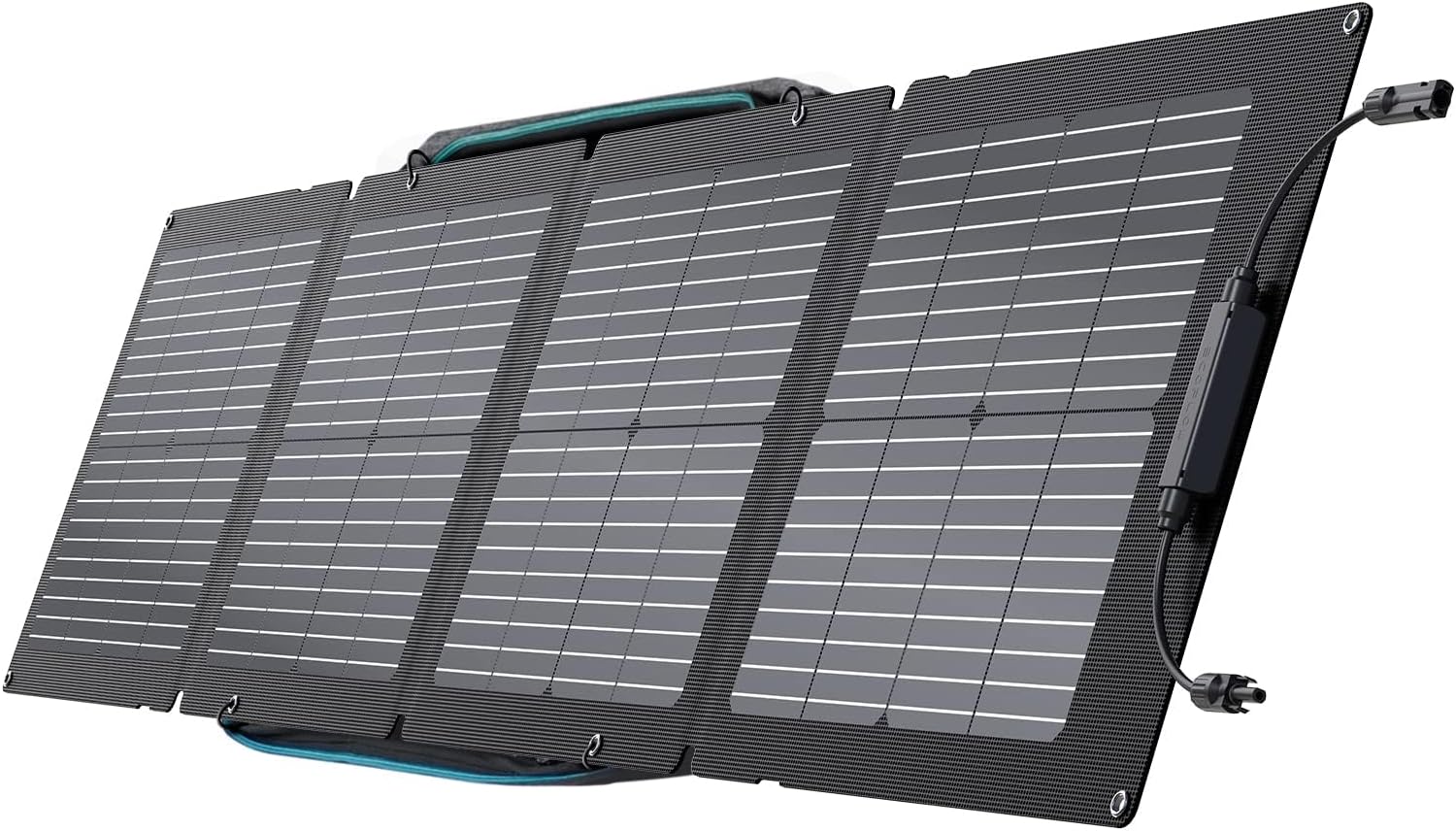
EcoFlow 110W Panel
Foldable, 23% efficiency, IP68. Saves ~$10-18/mo. Great starting point.
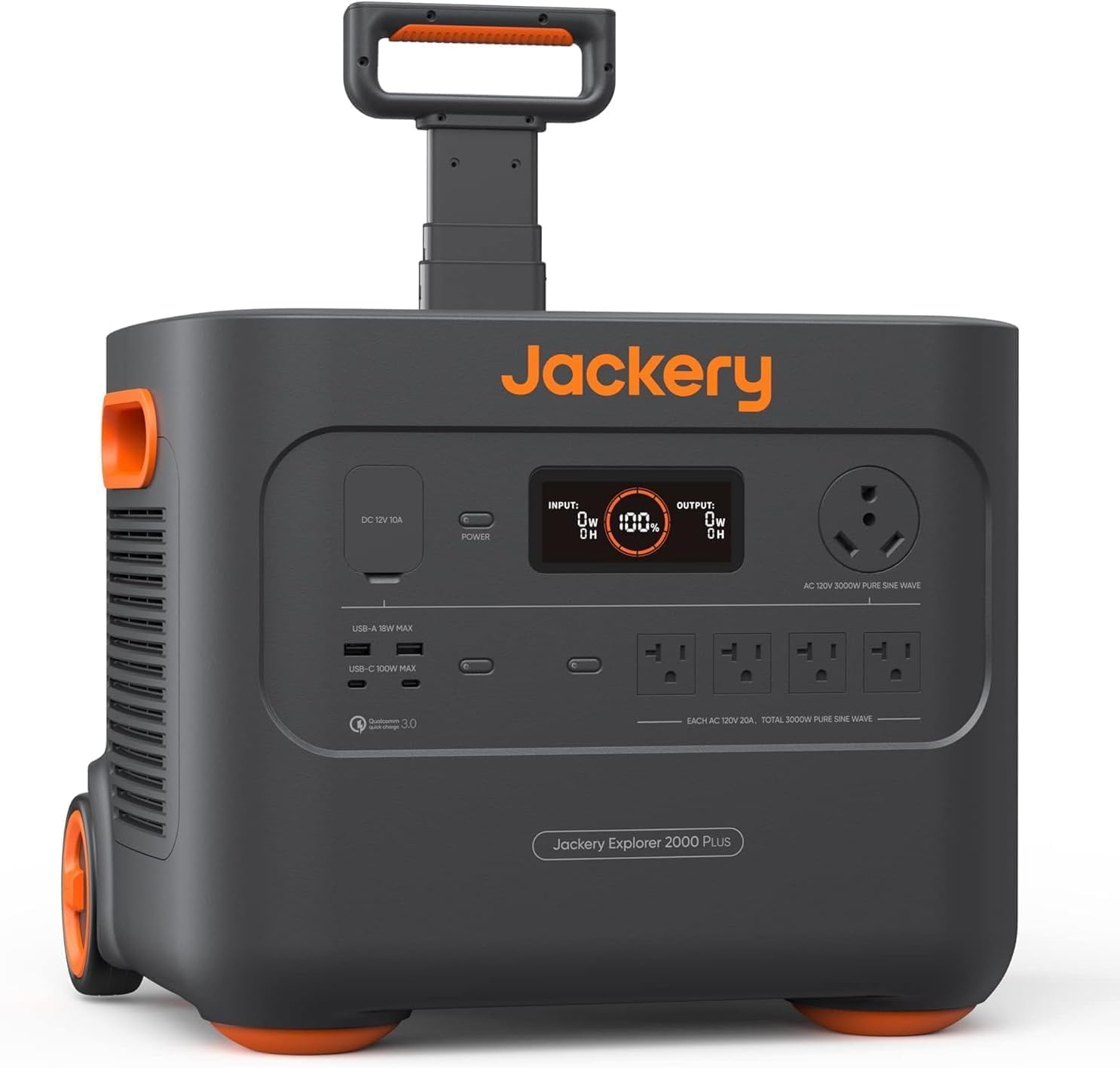
Jackery Explorer 2000 Plus
2042Wh LiFePO4, 3000W. Battery + panel. Saves ~$40-60/mo.
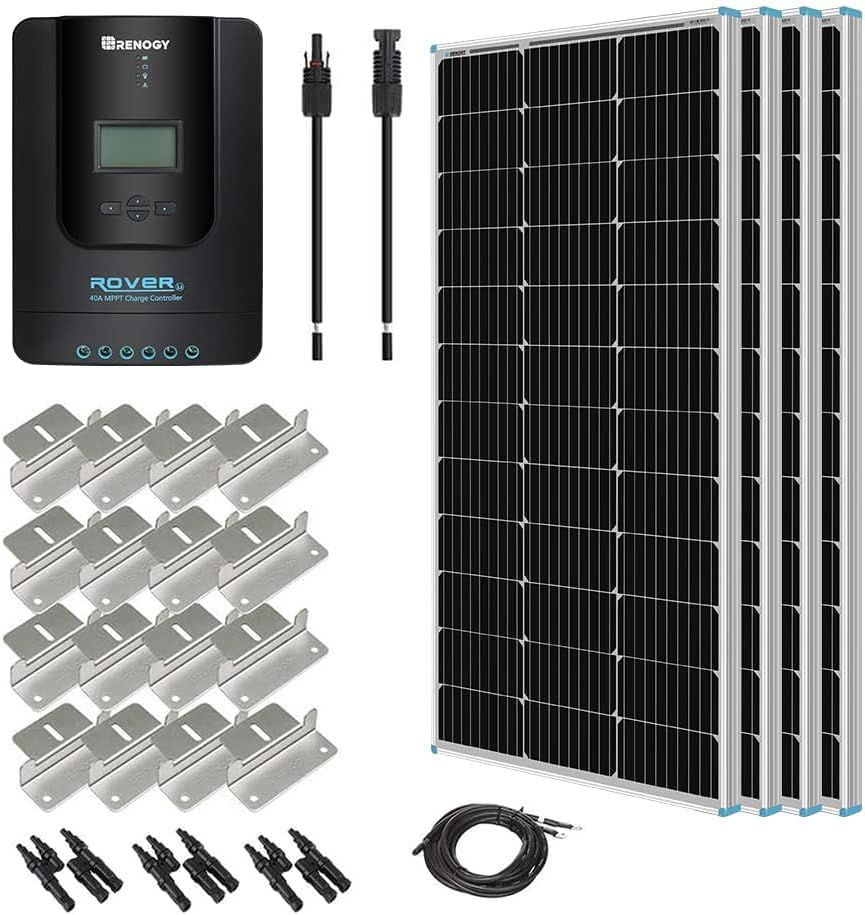
Renogy 400W Starter Kit
4x100W panels + MPPT controller. Most power per dollar. Saves ~$30-50/mo.
Affiliate links support free content. You pay the same price. Full disclosure